← Ways we work

Clinical · point-based · considered

04

Acupuncture

An individual acupuncture appointment with Bridgette Birbiles, beginning with detailed conversation and grounded in Chinese medicine practice.

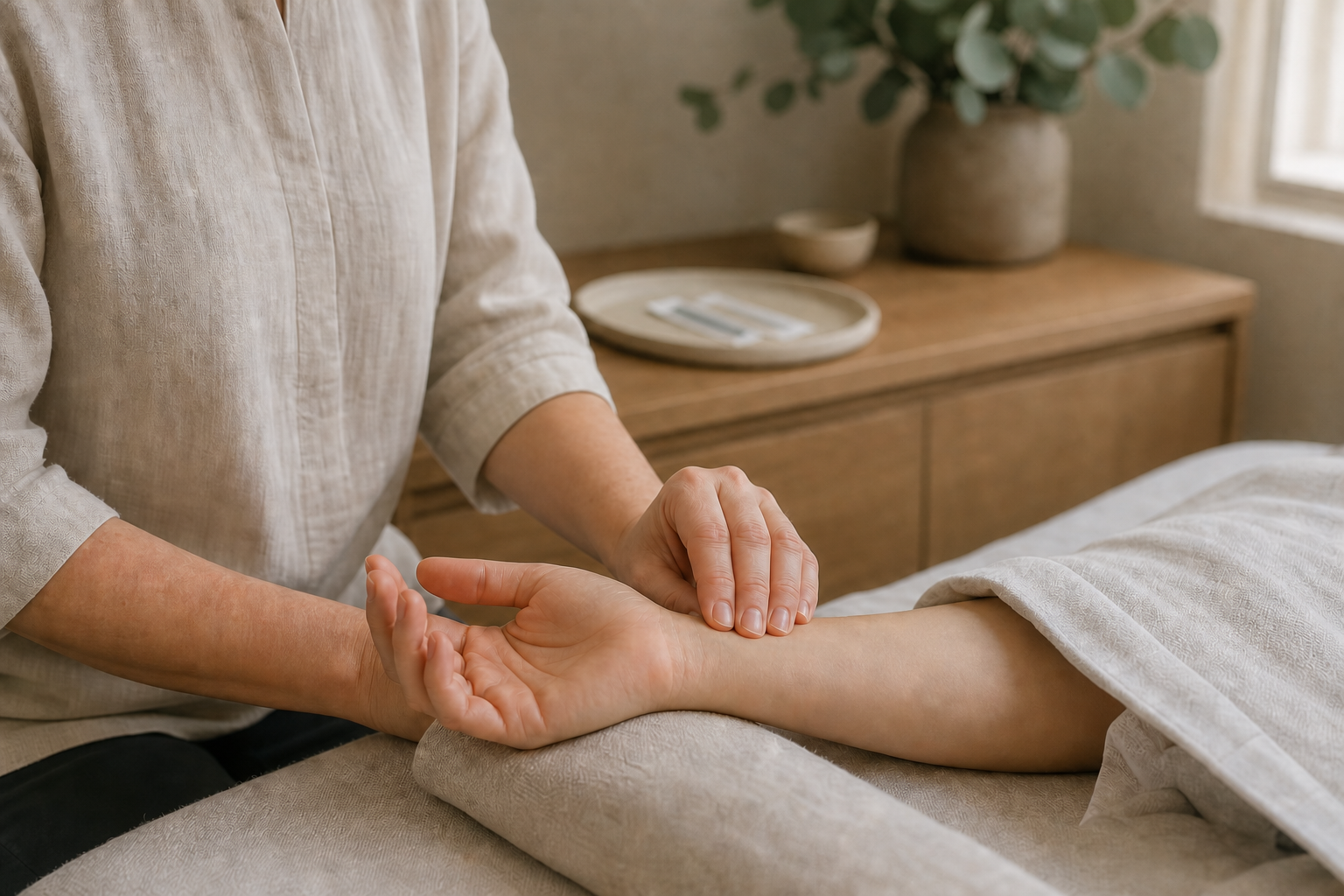
An acupuncturist gently assessing a patient’s wrist pulse

The character of the work

A clear frame leaves room for a personal experience.

Bridgette Birbiles is an experienced acupuncturist whose clinical interests include chronic pain, menstrual and hormonal health, stress and anxiety. Each person and presentation is considered individually.

Acupuncture begins before a needle is placed. Bridgette takes time to understand what has brought you, your relevant health history and what you want from the appointment.

Where acupuncture is considered suitable, fine, sterile, single-use needles are placed at selected points. The selection, number of points and positioning vary according to the individual appointment.

Chinese medicine provides the organising framework for the consultation. Bridgette’s calm, considered approach keeps the process clear, consent-based and open to your questions.

Inside an appointment

A beginning-to-end view.

This is an orientation rather than a script. The sequence and emphasis adapt to the person and the appointment.

  1. 01

    Health conversation

    You discuss your current concern, relevant history, medications, sensitivities and any previous experience with acupuncture.

  2. 02

    Chinese medicine enquiry

    Bridgette may ask broader questions and make observations that inform the individual treatment approach.

  3. 03

    Positioning and consent

    The proposed points, positioning and what you may notice are discussed before needles are placed.

  4. 04

    Needling and rest

    Fine, sterile, single-use needles may be inserted and retained for a period while you rest. You can speak, pause or stop at any time.

  5. 05

    After the session

    The appointment closes with time to reorient, ask questions and understand any relevant aftercare or next step.

Care with context

What is important to know.

These boundaries help keep the appointment understandable, individual and appropriately scoped.

01

Tell Bridgette what is relevant

Share pregnancy, bleeding conditions, medications, fainting history, needle sensitivity, implanted devices or other health information that may affect suitability or technique.

You can also say if you are anxious about needles. That conversation can happen before you decide whether to proceed.

02

Sensations vary

People describe acupuncture sensations differently. Comfort, possible side effects and what to do if something feels unexpected should be part of the appointment conversation.

03

It does not replace urgent assessment

Acupuncture is not an emergency service. Severe, rapidly changing or concerning symptoms need timely assessment through an appropriate medical or emergency pathway.

Questions people bring

Ask before you assume.

Do acupuncture needles hurt?

Sensations vary from person to person and from point to point. Bridgette can explain what to expect, adapt the session and stop whenever you ask.

Are the needles reused?

No. Acupuncture uses sterile, single-use needles that are disposed of after the appointment.

What should I wear?

Comfortable clothing is useful. Depending on the points being considered, you may be asked to adjust clothing while privacy and comfort are maintained.

Can I ask questions during the session?

Yes. Consent is ongoing, and you can ask to pause, remove a needle or change position at any time.

Current booking context

Current acupuncture appointment types and Bridgette’s live availability are shown during online booking.

See booking options

An invitation

You can arrive with questions.

The booking journey explains appointment types and availability. Reception can help when the right starting point is not obvious.